
Phone:+86-13952799285
You notice it the first time your child eats pasta with braces: a strand of spaghetti wrapped around a bracket, a smear of sauce along the wire, and five minutes of frustrated brushing afterward. This scene repeats in almost every household during orthodontic treatment, and it explains why the phrase "best toothbrush for kids with braces" draws so much attention from parents.
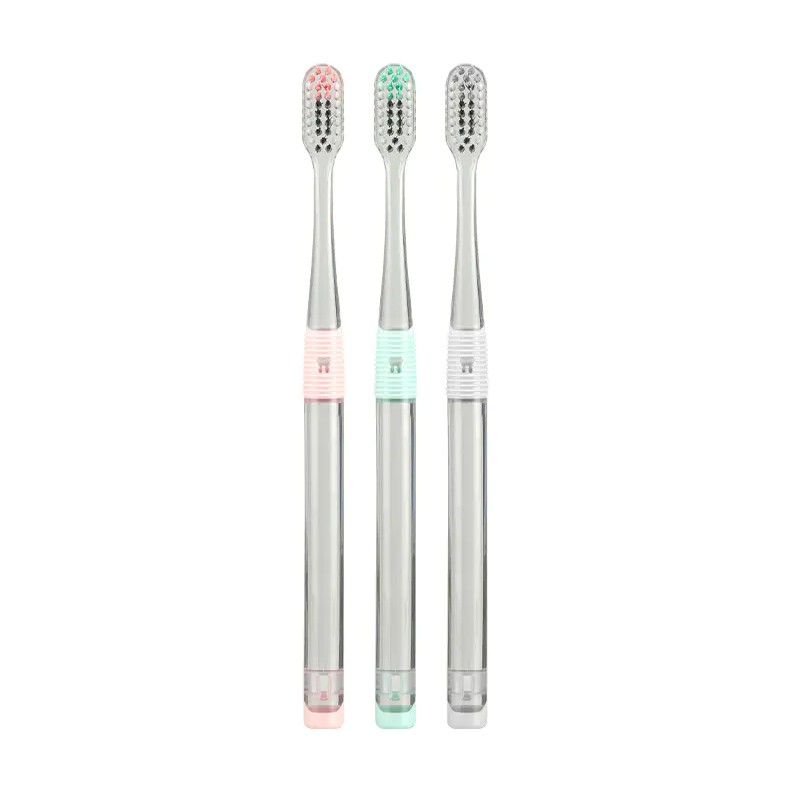
The short answer is that the best toothbrush for kids with braces is a soft-bristled brush with a compact head and a V-shaped bristle channel, replaced on a strict schedule and paired with a gentle technique. That combination reaches the plaque that collects around brackets and wires while protecting enamel, gums, and the adhesive that holds the hardware in place. The rest of this guide explains why each feature matters, how manual and electric brushes compare, and when to know it is time for a new brush.
Why Braces Change the Rules for Toothbrushes
Braces turn a straightforward two-minute brushing routine into a much bigger job. Brackets, archwires, molar bands, and elastic ties add dozens of new surfaces where plaque can hide, and sticky or fibrous foods find their way into gaps that a normal brushing stroke cannot reach.
The clinical concern is not only hygiene. Plaque that stays next to a bracket raises the risk of white spot lesions, the chalky marks that appear when enamel loses minerals. Hard brushing can also wear down the adhesive that bonds brackets to the teeth, which makes a loose bracket more likely. The gums around braces are easily irritated as well, so bristle hardness and brushing pressure matter more than they do without orthodontic hardware.
For a child, this creates three practical requirements:
- Bristles must be soft enough to clean near the gumline without injuring tissue or damaging bracket adhesive.
- The head must be small enough to reach the back molars and move around brackets without bumping the hardware.
- The bristle field should let the user clean above and below the wire in one motion, because children rarely angle a brush precisely for every single bracket.
When a toothbrush meets these three requirements, the daily job of managing braces becomes noticeably easier.
What to Look For in a Kids Toothbrush for Braces
Parents often focus on toothbrush technology first, but the most important decisions are basic ones: bristle softness, head size, and bristle shape. Getting these three details right prevents most of the brushing problems children experience during orthodontic treatment.
Soft Bristles First, Everything Else Second
Bristle softness is determined mainly by filament diameter. Soft children's brushes typically use filaments in the range of 0.15 to 0.20 mm, while medium and firm brushes use thicker filaments. With braces, only soft or extra-soft bristles are sensible choices. A firmer bristle does not clean brackets more effectively; it simply presses harder against the tooth surface, and in a child's mouth that extra force can irritate gums, scratch enamel, and shorten the life of the adhesive around each bracket.
A Compact Head That Can Actually Reach
A smaller head makes it easier to reach the last molars and to angle the brush behind the wire. As a general rule, the head should cover no more than two teeth at a time, which for a child usually means a head length of about 20 to 25 mm. A head that is too long forces the child to open wider, and it tends to skip the tight spaces between brackets and gums.
A V-Shaped Bristle Channel for the Wire
Orthodontic toothbrushes often have a V-shaped or tapered groove running down the middle of the bristle field. When the brush moves across the front of a bracket, the archwire sits in the groove while bristles on both sides clean above and below the wire at the same time. This design reduces the need for precise angling, which is a real advantage for a child who is still learning the routine.
Handle Design That Matches the User
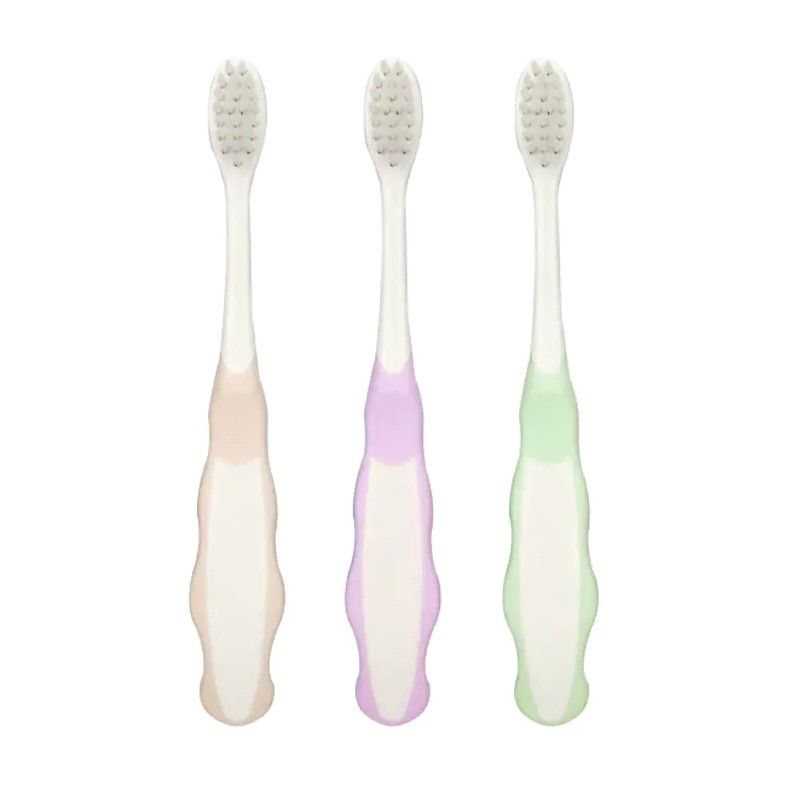
Children brushing on their own benefit from a handle they can grip comfortably; parents helping a younger child prefer a longer handle with a non-slip texture. A slightly angled neck also improves access to the back of the mouth. These details will not matter if the bristles and head are wrong, but they make the correct brushing routine easier to repeat every day.
This chart shows the order of priorities that dental professionals apply when recommending a children's brush for braces. Soft bristles rank well above every other feature because they reduce gum irritation and protect the adhesive that holds brackets in place. A small head comes second, since it is the main factor in whether a child can reach the back teeth comfortably. A V-shaped bristle channel and an angled neck are noticeable refinements, but they only help when bristle softness and head size are already correct. Non-slip handles matter most for younger children who are still building confidence with brushing. The practical lesson is simple: verify bristle softness and head size first, then look at the shape of the bristle field.
Manual or Electric: Which Cleans Better Around Brackets?
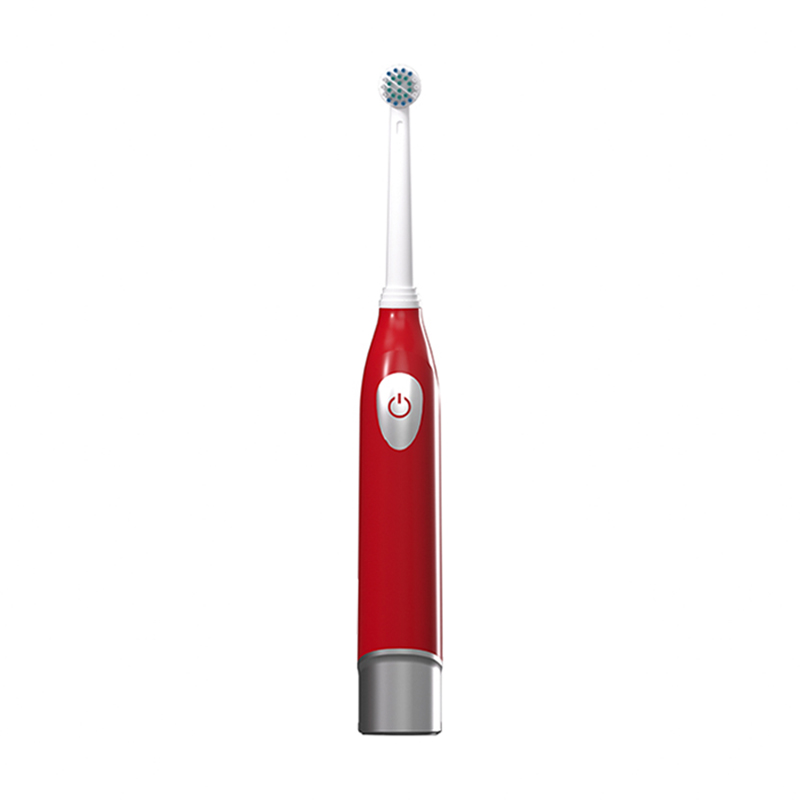
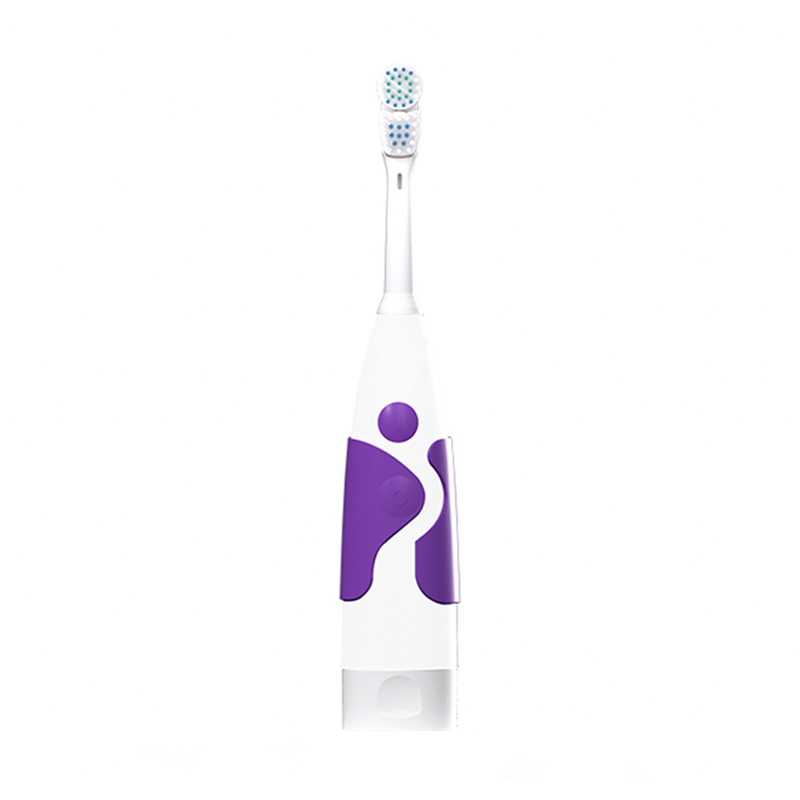
The short answer is that an electric toothbrush, especially an oscillating-rotating or sonic model, removes more plaque than a standard manual brush for most children with braces. The longer answer is that a manual brush with a V-shaped orthodontic head can come very close when a child uses proper technique and brushes long enough. The stronger argument for electric brushes is compliance: timers, sounds, and the gentle buzz of the motor make children more willing to brush for the full two to three minutes.
This chart compares the estimated share of plaque removed from the surfaces around brackets after a two-minute brushing session with each brush type. The standard manual brush removes the least plaque because a flat bristle field has trouble reaching the underside of the wire and the corners of the bracket base. Sonic and rotating electric brushes improve the result by adding vibration or rotation that dislodges plaque the bristles touch but do not sweep away. The strongest result belongs to the manual orthodontic brush with a V-shaped bristle channel, because the groove lets bristles wrap around both sides of the bracket in one pass. The takeaway is that families who prefer a manual brush should look for the orthodontic shape rather than a flat-trimmed head.
| Criterion | Manual toothbrush | Electric toothbrush |
|---|---|---|
| Upfront cost | Low | Moderate to high |
| Replacement head cost | Low | Higher |
| Plaque removal on average | Good with an orthodontic head | Better on average |
| Pressure protection | Depends on the child's hand | Pressure sensors on many models |
| Brushing time management | Parent supervision needed | Built-in timer helps |
| Travel convenience | Very easy to pack | Battery life must be planned |
This radar chart compares a well-made manual orthodontic brush with a typical children's electric brush across five daily priorities. The electric brush leads in plaque removal and kid friendliness because timers and motor motion make a long brushing session much easier for a child to tolerate. It also edges ahead in gum safety when the model includes a pressure sensor that stops the brush from pushing too hard. The manual brush wins clearly on best value and portability, which matters for travel, backup use, and families managing an orthodontic budget. No single choice is perfect for every child; the right pick depends on which of these five factors your household weighs most heavily.
Brushing Routine and When to Replace the Brush
The best toothbrush still depends on a reliable routine. With braces, brushing should last at least two minutes, twice a day, and many orthodontists recommend adding a third session after the main meal of the day. The child should angle the bristles at about 45 degrees toward the gumline, brush in slow circles, spend extra time above and below each bracket, and finish with the chewing surfaces and the tongue.
Braces also change how quickly a brush wears out. Bristles rub against metal brackets and archwires every day, so the soft tips fray faster than they would in a mouth without hardware. Once the bristles splay, they no longer reach into the small crevices around the bracket base, and cleaning quality drops.
This line chart tracks how a child's toothbrush loses cleaning power over 12 weeks of normal use with braces. Bristles that rub against stainless steel brackets and archwires wear faster than bristles used in a mouth without hardware, so the decline is steeper than with an ordinary brush. By week six the brush has lost roughly a quarter of its original cleaning ability, and by week 12 it is below half. Dental guidelines still use three months as the general replacement interval, but with braces it is wise to inspect the bristles at the four-week mark and replace them as soon as they splay outward or lose their rounded tips. A practical habit is to tie the replacement date to the orthodontist's adjustment appointment, which usually happens every four to six weeks.
The Bottom Line
Start with a brush that has soft bristles, a small head, and a V-shaped bristle channel. If a child resists manual brushing, switch to a children's electric brush with a small head and a built-in timer; the motor will not replace careful technique, but it makes the technique easier to perform.
Inspect the bristles every few weeks, replace the brush when the tips start to splay, and keep a backup brush for travel. Aolbea designs children's toothbrushes with small soft-bristled heads that suit young mouths, and the same basic specifications apply to orthodontic cleaning: soft, small, and replaced on schedule. Braces usually stay on for 12 to 24 months, so the habit built in the first month is what protects the enamel beneath the hardware.